Did you hear? Age of Empires II: Definitive Edition is advancing to the macOS Age on May 28th!
When a game of this pedigree arrives on a new platform, reactions can vary wildly. Age of Empires means something different to all of us — from die-hard fans to those who played back in the day, and complete newcomers.
Today’s blog is aimed firmly at that third camp, and it’ll provide a whirlwind introduction to this most illustrious of strategy games.
If you’re looking for a breakdown of the improvements brought by the Definitive Edition, or what campaigns are on offer, stay tuned, we’ll be covering those in future entries.
The Basics
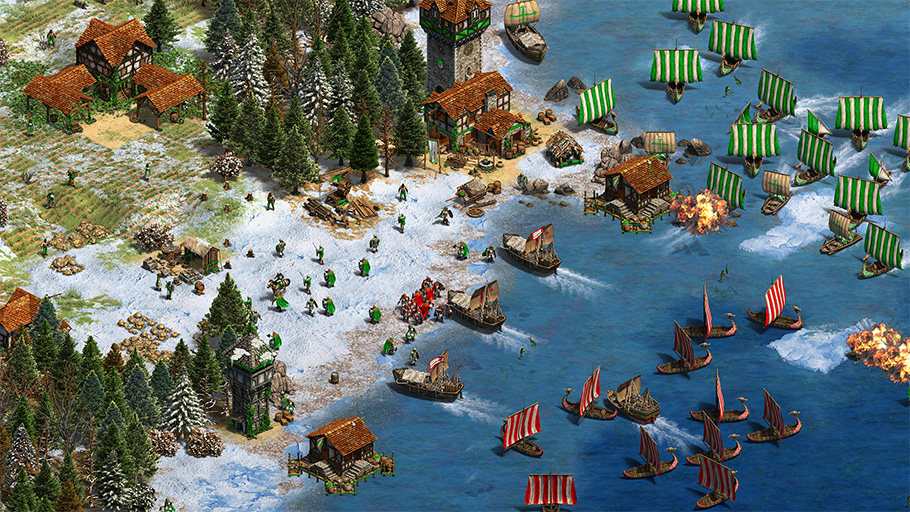
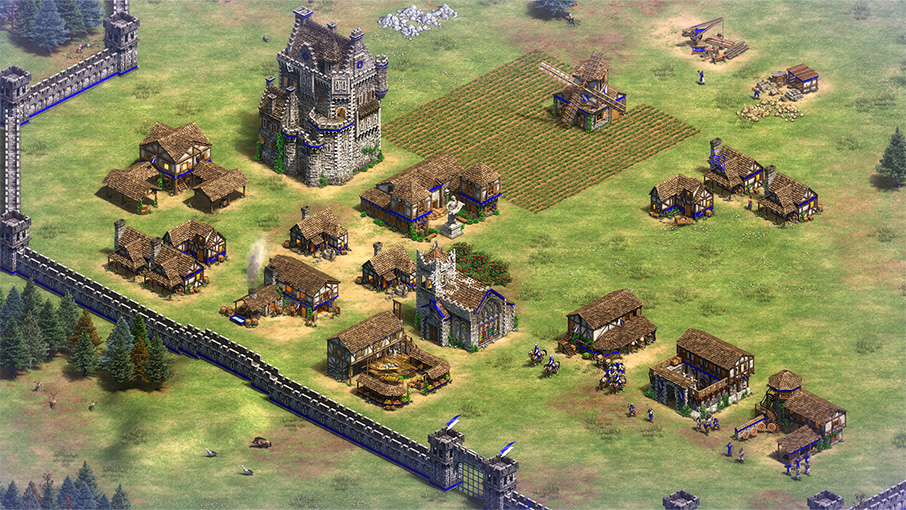
Age of Empires II is the archetypal real-time strategy game. That means you’ll take an (almost) top-down view of the action, balancing resources, training units and building, well, buildings. Then, you’ll amass your armies to defend your settlement and lay waste to your opponents!
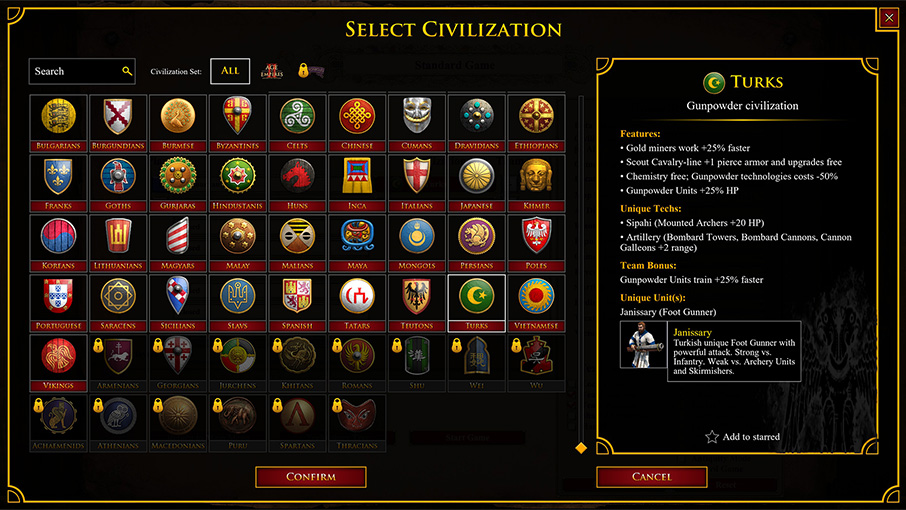
You’ll do this as one of over forty playable civilizations, each with its own unique units and specialisms. Getting into detail on the individual civilizations could fill up multiple blog posts, so for now, suffice it to say that getting to know them and finding your favourites is a game unto itself!
While your choice of civilization, game mode, map, campaign, or even the type and number of opponents will influence the experience, the core gameplay will look something like this:
Dark Age Economics
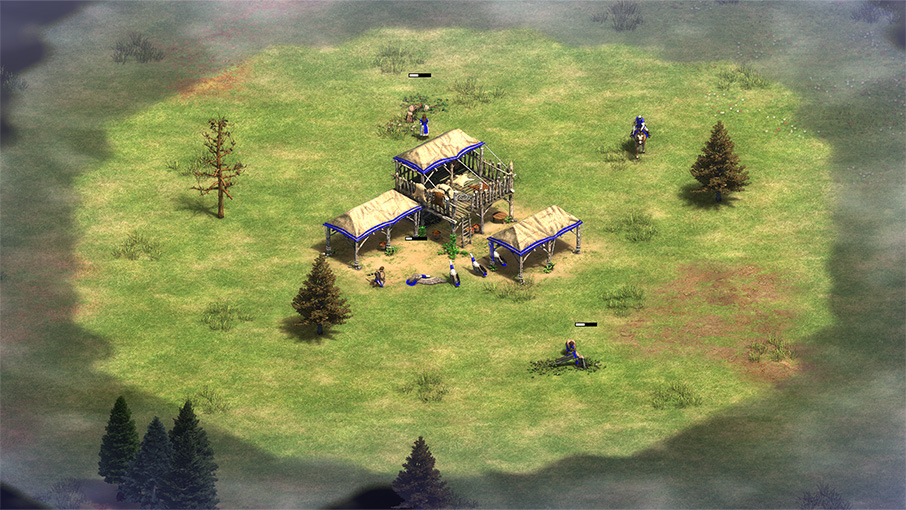
Standard Skirmish games start you with a Town Centre, three Villagers, a Scout and an entire map to explore. Each map is different, and there are many types which offer vastly different experiences.
Perhaps you’ll play on an archipelago, requiring Transport Ships to land your armies on the enemy’s doorstep. Or, maybe you’ll play in the Black Forest, whose dense trees create a sprawling maze with easily defendable chokepoints — though initially shrouded in the Fog of War. With all that hidden potential waiting to be tapped, it’s a good idea to send your quick-moving Scout out early, to get the lay of the land and discover nearby resources.
Resources are the literal and figurative building blocks for every unit and construction. There are four types, spent each time you construct buildings, perform upgrades or train units.
Wood
Harvested from trees on the map. This makes it extremely abundant on some maps, and perilously scarce on others.
It is used to construct many buildings, including early fortifications. It is also used when training ranged units, ships and siege engines.
Food
Gathered from bushes, hunted from animals, fished, or produced by Farms.
It is consumed when training the vast majority of units, and is important for many upgrades (including Age Advancement — more on that later).
Gold
Mined from on-map deposits, generated from trading at the Market, or gained slowly over time by having Relics stashed in your Monasteries.
It is spent when training many advanced units and performing most technological upgrades.
Stone
Mined from on-map deposits.
It is used only for building durable fortifications such as Walls, Guard Towers and the mighty Castle.
Setting up a reliable supply of each of these resources is critical in Age of Empires. To accomplish this, you’ll use the humble Villager, trained from your starting Town Centre.
Your first priority will be to secure an increasing supply of Food. This will allow you to train more Villagers, which will allow you to gather more Food, which will allow you to train more Villagers and so on.
Each Villager may be assigned to collect any of these resources. Both will be used to construct buildings. All resources can be deposited in the Town Centre, but gathering them is much more efficient if deposit buildings such as Lumber Camps, Mining Camps and Mills are constructed near their respective resources.
Putting the Age in Age of Empires
The fundamentals of a strong economy can be established in the game’s first period, the Dark Age. But at some point, you’ll want to advance to the Feudal Age via an upgrade of the Town Centre. This will unlock new units and technologies, and make your base look that little bit spiffier.
To advance, you’ll need a big chunk of Food, and to have constructed at least two Dark Age buildings (such as a Mill, Lumber Camp, Barracks, etc.). Then, you simply select the upgrade from the Town Centre.
This process is repeated twice more as you advance to the Castle and finally, the Imperial Age. As you progress, costs rise significantly; as do the rewards!
Once you’ve advanced to the Feudal Age, new technologies become available to research, improving the efficiency of your Villagers. But the benefits are not just economic…
Waging War
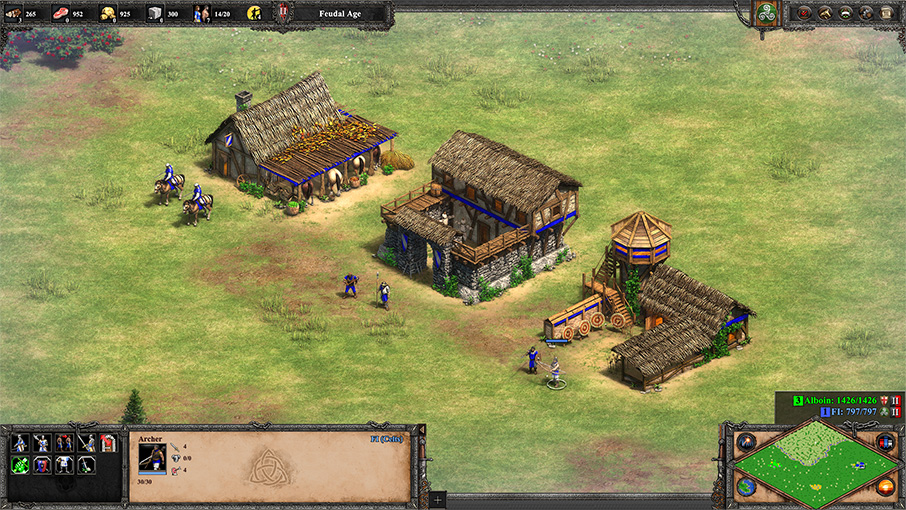
Your Villagers have an entire tab of military buildings on offer, too. In the Dark Age, they were confined to the Barracks, but with the advent of the Feudal Age, Archery Ranges and Stables are unlocked, allowing for far more advanced and versatile armies.
Among other things, the Feudal Age unlocks the Blacksmith, home of many upgrades for your military. Also unlocked are Wooden Palisade fortifications, allowing you to more easily control territory and deny your opponents access to areas of the map.
Beginning in the Castle Age, you may put all that stockpiled Stone to good use by building more durable fortifications. And you’ll want to be quick about it, because you’re not the only one who’s been amassing an army…
Castles, while expensive, are especially important. They not only provide a defensive citadel which fires volleys of arrows at attackers, but also act as recruitment buildings for your civilization's unique units — some of which can single-handedly turn the tide of battles.
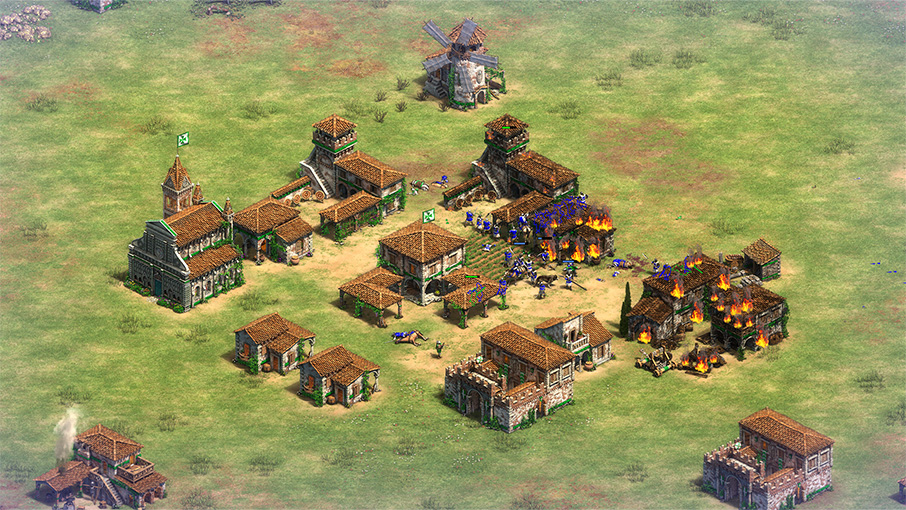
Speaking of battle, once you’ve secured your base and amassed your army, it’s time to take the fight to the enemy!
Assuming you have located their settlement, you must put your tactical mastery to the test in assaulting it and dealing with any defenders.
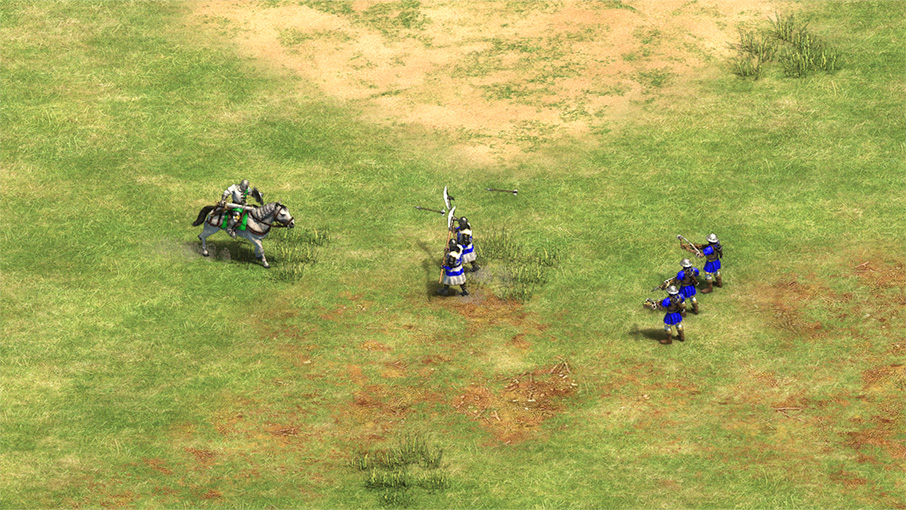
Many units have strengths and weaknesses against other specific types. For instance:
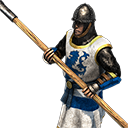
Pikemen
Cheap, but very effective against enemy cavalry.
Archers
Capable of wiping out slow-moving infantry before they even get close.
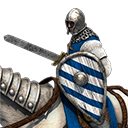
Knights
Excel at riding down ranged units like Archers.
There is, of course, a lot more nuance than that (we haven’t even touched on naval combat or siege engines), but hopefully that’s illustrative of the challenge you’ll face, managing your army’s movements and reacting to the choices and civilization specialities of your opponents.
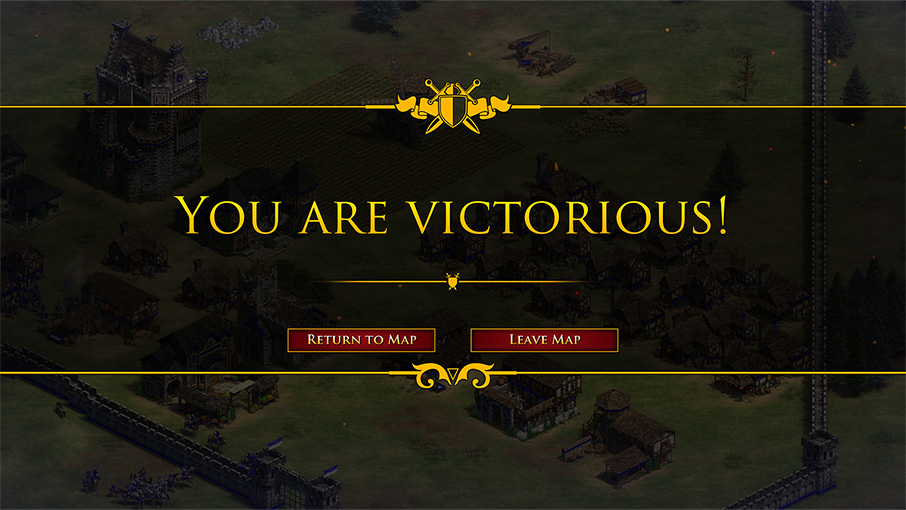
There are many ways to skin this proverbial cat, but in general, the enemy is unlikely to let you waltz into their settlement and raze their buildings. You’ll face counterattacks, massed defenders and fortifications in abundance. But, if you manage to destroy the enemy base while keeping your own territory secure…
Ah, that sweet taste of success. As alluring now as it was in the Feudal Age…
Beyond the First Victory
So that’s how a standard 1v1 game of Age of Empires II might play out, but of course, there are countless permutations…
As mentioned earlier, the map has a huge impact on the game. Not only are there different biomes and landmasses to choose from, but also sizes. Small maps will get crowded quickly and push players into early combat, while larger maps can allow for more methodical, slow-paced matches.
If you’re reliably overcoming a single opponent, you might consider adding another. Up to eight individual civilizations can compete in a single game, in any combination of teams, opening the door for some truly titanic clashes.
What’s more, there are a number of AI difficulty settings to challenge and master, and, for the ultimate test, online multiplayer with human opponents and teammates is available between macOS players.
More to Come?
That about covers the Skirmish Mode. You’ll notice we also hinted at the historical Campaign mode earlier. These offer a huge depth of flavourful gameplay to explore, but we’ll be covering those in a later entry.
It’s also worth remembering that Age of Empires didn’t become a classic overnight. In our next entry, we’ll be taking a look at Age of Empires, well, through the ages — tracing the journey from the original release (all the way back in the Pre-Millennium Age) to the glorious Definitive Edition you see arriving on macOS on May 28th for $34.99 / £25.99 / €32,99.
2Through the Ages
Age of Empires II arrives on macOS on May 28th, and we are taking this as an opportunity to dust off the history books and take a walk down memory lane.
But, if you’re totally fresh to the world of Age of Empires, our Newcomers Blog has all the info you need.
All caught up? Good, let’s continue.
1997
Ancient Times
Despite having an original release date in the last millennium, Age of Empires remains a much-loved part of the gaming scene. Few games can make this claim, so let’s take a look at how it earned its reputation and has evolved over the years.
The age of Age of Empires dawned in 1997. The real-time strategy genre was young, and dominated by sci-fi and high-fantasy settings. Age of Empires swapped tanks and orcs for chariots and real-world civilizations, offering grounded, historical themes — complete with single-player campaigns inspired by ancient Egypt, Greece, Babylon and Japan.
More than just upgrading units and buildings, players actively developed entire civilizations — from Stone Age beginnings to dominance in the Iron Age. Units progressed from loincloth-wearing Clubmen to armour-clad Legionaries. Battling opponents through the ages proved compelling, and ensured the game’s popularity.
While earlier RTS games involved gathering a resource to spend on units, Age of Empires developed the economic side of the genre into a more sophisticated Wood, Food, Stone and Gold system, offering new complexity and challenge.
1998
This bold approach to the genre was very well received, and was enhanced by the Rise of Rome expansion, putting the jewel of the game’s Ancient era centre stage.
A New Age
1999
Building on the success of its predecessor, Age of Empires II: The Age of Kings arrived in 1999, bringing with it much-improved visuals, a richer soundscape and a later, medieval period.
The more comprehensive historical record of the time offered fertile ground for more personal, narrative-led campaigns focused on real historical characters such as Joan of Arc and William Wallace (at the peak of his post-Braveheart popularity).
Beginning in the Dark Ages, Age of Empires II came complete with a huge number of distinct civilizations to raise to glory. Each had unique units, technologies and strategies, introducing an asymmetric dimension to both economic and military gameplay.
2000
To further deepen the tactical layer, counterplay between different classes of units was made more prominent. Cavalry became archer-hunting aces, who were in turn countered by spear-wielding units, and so on. This focused, yet variable approach earned Age of Empires II enormous popularity in the competitive multiplayer arena — success that has been crucial to its longevity.
Enabled by an intuitive yet powerful Scenario Editor, a modding scene also grew up around the game, putting the power to shape, script and even narrate their own scenarios into players’ hands.
In August 2000, The Conquerors was released. This expansion brought with it five new civilizations, popular new campaigns like El Cid’s conquests across Spain, and some of the game’s most powerful units (and in the case of Trebuchets, frankly, the coolest).
2013
A Feast for the Eyes
2013
More than a decade after its initial release, with multiplayer lobbies still reliably buzzing, Age of Empires II: HD Edition landed in 2013.
2014
Aside from finally leaving the CD-ROM age firmly behind it (and introducing the series to a generation whose computers had no CD drive!), this release brought along with it upscaled assets and full HD widescreen support to a title that had long locked to 4:3 resolutions.
2016
Not only that, but its integration with Steam meant seamless mod handling via the Workshop, and snappy in-client matchmaking for the ever-growing multiplayer scene.
The warm reception for the HD Edition demonstrated the appetite for yet more Age of Empires II, and not one, not two, but three new expansions followed over the next three years, introducing new and varied civilizations to play and single-player campaigns to pursue.
2019
The Modern Day
Then, a full twenty years after its initial release, Age of Empires II: Definitive Edition arrived to huge critical acclaim.
2021
2021
This definitive remaster of (as we’ve highlighted!) one of the most beloved strategy games of all time includes:
2022
All of the content of the original game, the three expansions from the HD Edition and the following three DLC packs:
4K Ultra HD assets and resolution support
Every unit, building and terrain redrawn from scratch
Spectacular new animations and visual effects
Numerous quality of life improvements, including Farms which reseed automatically(!), building queues and global visibility for all unit training queues
Huge improvements to the game engine, offering multithreading support and an upgrade to 64-bit architecture for better late-game performance
An orchestral re-recording of Stephen Rippy’s wonderful score
Improvements to unit pathfinding and formations
Dedicated multiplayer hosting, ranked ladders and leaderboards
2023
2023
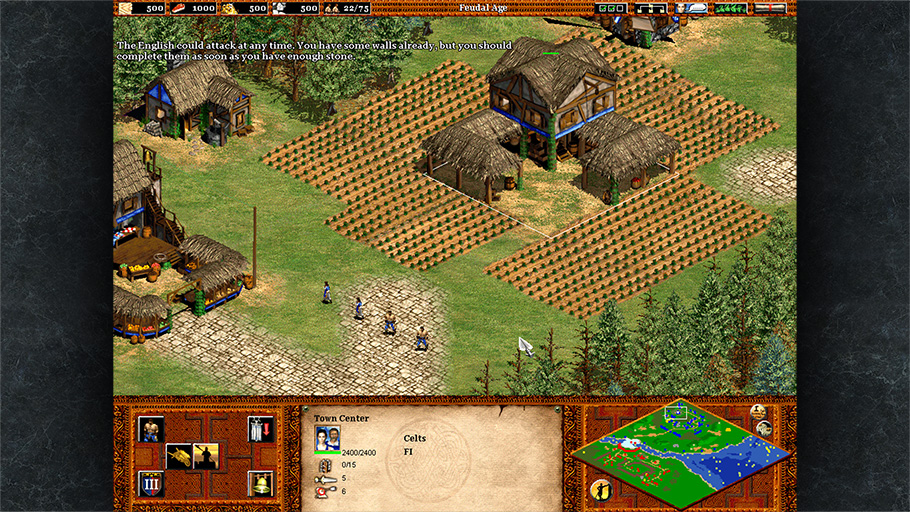
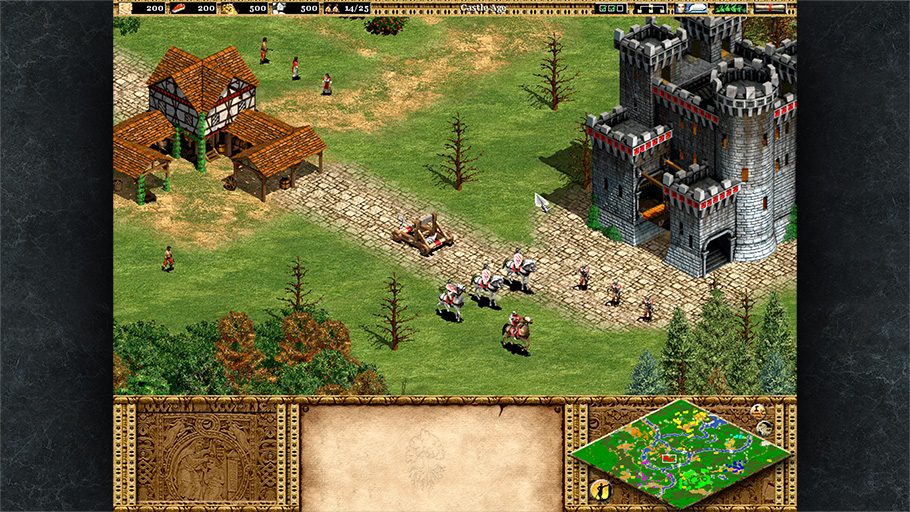
Definitive EditionOriginal
2024
2024
Definitive EditionOriginal
The result is a game that today is instantly recognisable to long-time fans, while feeling modern and approachable to newcomers. It retains all the hallmarks which made it a classic, while ageing gracefully — like a real-time-strategy George Clooney.
The Definitive Edition offers an incredible variety of content in a cleverly refined package and is a clear sign that Age of Empires is alive and well in the 2020s.
2025
2025
New Horizons
Since the launch of the Definitive Edition, the popularity of Age of Empires II has continued to grow.
New DLC continues to be released (more on that in the next blog), from the Return of Rome pack, which lovingly recreates the entirety of Age of Empires I’s content in the Definitive Edition engine, to The Last Chieftains, which arrived in early 2026.
2026
And now, the next chapter of this long and illustrious history is about to be written. In just a few weeks, a native version Age of Empires II: Definitive Edition will be playable on modern Macs for the very first time.
The Steam version will arrive on May 28th, with a Mac App Store release to follow later in the year.
That almost covers it for our series of pre-release blogs on Age of Empires II: Definitive Edition. Stay tuned for one final entry, where we’ll dive into all of the campaigns on offer in the Mac release, be they included with the base game, or in the extensive DLC offering.
While you wait, why not stay up to date with the latest on this, and other Feral Interactive releases over on our social channels:
3What’s In Store?
The release of Age of Empires II: Definitive Edition for macOS is just around the corner, so today we’re taking a quick tour of the single-player campaigns and playable civilizations you can look forward to on May 28th.
Age of Empires II: Definitive Edition comes complete with a bumper crop of historical campaigns and playable civilizations.
The Campaigns
From previous Age of Empires II releases:
Age of Empires II base game
From William Wallace teaching the player the meaning of FREEDOM (and how to play the game), to Tamerlane’s forging of the Timurid Empire from the ashes of the Mongol conquests.
The Conquerors
Relive the bloody history of Attila the Hun and battle on both sides of the Spanish conquest of the Americas.
The Forgotten
Six new campaigns spanning the globe, from Goths to Byzantines and Prithviraj’s Indian unification to Vlad Dracula’s battles against the Ottomans.
The African Kingdoms
The Berbers’ battle for control of Iberia, the forging of the Malian kingdom from the ashes of Ghana, Portugal’s expeditions eastward, and the personal tale of Yodit, princess of the Ethiopians.
The Rise of the Rajas
Journey to the kingdoms of Southeast Asia, from Gajah Mada’s oath to unite the Indonesian archipelago, to the rise of the Burmese Toungoo Empire and the defence of Dai Viet against invading Chinese armies.
The Last Khans
Four campaigns chart the rise and fall of empires across Eurasia, from the bloody ambitions of Kotyan Khan and the Cumans to Tamerlane’s conquest of Persia, India and beyond.
Newer, Definitive Edition-exclusive content, included as standard:
The Lords of the West
Explore the power struggles of medieval Western Europe, from Edward Longshanks’ wars in Britain to the Burgundian court’s political intrigue and the Norman Hautevilles’ exploits in southern Italy.
The Dawn of the Dukes
Embrace Eastern Europe through the stories of Jadwiga’s unification of Poland-Lithuania, Jan Žižka’s Hussite rebellion, and Lithuania’s struggle against the Teutonic Knights.
The Dynasties of India
Three campaigns retell the history of the Indian subcontinent, from Babur’s founding of the Mughal Empire to Rajendra Chola’s naval conquests and Devapala’s expansion of the Buddhist Pala Empire.
Also included are the bonus Pachacuti Inca campaign, and Sun Tzu’s Art of War challenge scenarios.
The Cast
The Definitive Edition’s list of 42 playable civilizations offers incredible variety and strategic depth, each with its own unique units and technologies.
Whether you prefer the Longbowmen of the Britons for their fearsome ranged attack, or the massed cavalry hordes of the Mongols, there’s a perfect civilization for you.
This expansion brings campaigns and civilizations from the original Age of Empires into the Age of Empires II: Definitive Edition engine. Experience the game that started it all!
The Campaigns
Sargon of Akkad
From humble king’s cupbearer to leader of a resurgent Sumeria, guided by dreams from the war goddess Ishtar.
Pyrrhus of Epirus
The Wars of the Diadochi saw the successors of Alexander the Great plunge Ancient Greece into turmoil, and a new leader of the Macedonians rise to quell the chaos.
Trajan
An unlikely emperor, Trajan inherits an Empire on the brink of collapse. Can his legions defend the glory of Rome?
The Cast
The Return of Rome DLC introduces a whopping 18 new civilizations from the ancient world. From the Assyrians, Carthaginians and Egyptians, to the Yamato and Sumerians.
Also included is a brand new civilization for use in Age of Empires II: Definitive Edition - the Romans!
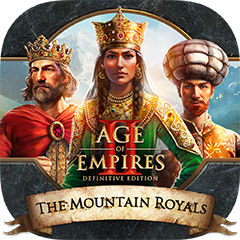
The rugged and wartorn lands of the Caucasus are the stage for three campaigns offering a glimpse into this cultural melting pot’s rich and storied history.
The Campaigns
Tamar
The first Queen of Georgia reigned over the kingdom’s golden age, though things were not always peaceful. This campaign chronicles her struggle from revolt and rebellion to prosperity and peace.
Thoros the Great
Escaping from Byzantine captivity to seize his birthright as the Lord of Armenian Cilicia, and reclaim it from its occupiers.
Ismail
Orphaned visionary and founder of the Safavid Dynasty, Shah Ismail forged one of the Islamic world’s most enduring legacies from the war-torn highlands of Persia. This is his story.
The Cast
Armenians
Composite bow-wielding masters of the uplands.
Georgians
Staunch defenders of their mountain kingdom, fielding massed cavalry.
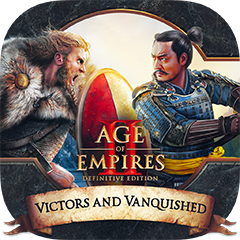
Featuring a massive nineteen standalone scenarios, Victors and Vanquished showcases huge maps and unique mechanics, as well as historical figures whose names have become legend.
Highlights include:
Ragnar Lothbrok
Viking scourge of the British Isles, Ragnar’s rise is charted from lowly raider to famed hero and lord over a vast kingdom in Northern Europe. With 50 in-scenario objectives to fulfil, players will write his saga anew.
Otto the Great
Though his path to the crown is beset by enemies, the throne of the Holy Roman Empire is rightfully his. Manage vassals and balance allegiances to help him claim his birthright.
Oda Nobunaga
Play as one of six different unique factions battling for control of Japan during the turbulent Sengoku Jidai period of warring states, each with their own playstyles, bonuses, allies and enemies.
Chronicles
Both Chronicles DLCs shine a light on the Ancient world’s greatest civilizations in new, multi-part campaigns, complete with animated cutscenes and epic new visuals and mechanics.
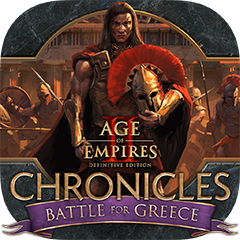
From the rise of the great city-states to their eventual downfall, The Battle for Greece chronicles the turbulent history of the Hellenic world through a sweeping narrative campaign.
The Campaign
From the clash of empires to the bitter rivalries of the Greek city-states, this campaign follows the shifting balance of power across the Aegean. Experience the rise of Athens, the military dominance of Sparta, and the far-reaching influence of the Persian Empire as alliances are forged, broken, and reforged in a struggle for supremacy.
The Cast
Athenians
Skilled sailors and masters of commerce, dominate the seas with unmatched fleets.
Spartans
Elite warriors trained in ground combat and excelling in disciplined infantry operations.
Achaemenids
The vast Persian Empire fields diverse armies drawn from across its domains.
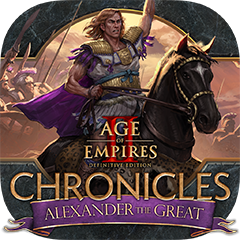
The story of one of history’s greatest conquerors is brought to life in a grand, multi-part campaign spanning continents and cultures, as Alexander the Great leads his armies beyond the edge of the known world.
The Campaign
Beginning with the unification of Greece and culminating in his conquest of the Persian Empire, this campaign charts Alexander’s relentless march east. Engage in legendary battles, manage a persistent army across multiple theatres of war, and carve out an empire that reshapes the ancient world.
The Cast
Macedonians
A highly disciplined army built around phalanxes of heavy infantry and elite cavalry, that strikes with precision and force.
Thracians
Fierce tribal warriors, who favour aggressive tactics and relentless assaults.
Puru
Commanders of war elephants from the Indian subcontinent and formidable armies that stand as the final obstacle to Alexander’s ambition.
“The empire, long divided, must unite; long united, must divide.”
The Romance of the Three Kingdoms, brought to life in Age of Empires II. This DLC introduces 5 new civilizations and 3 new campaigns, with unique interactive mechanics, woven into the fabric of Ancient China’s history.
The Campaigns
Liu Bei
The unlikely rise of a humble sandal maker into the leader of the Kingdom of Shu, and his quest to restore the glory of the Han Dynasty.
Cao Cao
Master politicker and formidable warlord, Cao Cao’s unquenchable ambition propels him to the head of the Kingdom of Wei and power over the Emperor himself.
The Sun Clan
Sons of a murdered father and propelled by revenge, the Sun Clan battles for dominion over southern China, and the glory of the Kingdom of Wu.
The Cast
Shu
Led by Liu Bei, masters of the war chariots and their mounted crossbows.
Wei
Cao Cao’s ambitions are realised at the head of unstoppable cavalry armies.
Wu
With skilful infantry and mastery of the seas, the Sun Clan’s armies dominate the south.
Jurchens
Skilled hunters and gunmen on China’s rugged northeast, and bearers of the Jin Dynasty mantle.
Khitans
The Liao Dynasty’s mobile hordes bear camel-mounted trebuchets to unleash devastation at lightning speed.
Under the dense forest canopies of medieval South America, three grand campaigns blur the line between fact and folklore. The most visually arresting DLC yet adds 3 new campaigns and 3 new civilizations.
The Campaigns
Lautaro
After witnessing his village's destruction, the young warrior Lautaro vows revenge on the Spanish conquistador Pedro de Valdivia.
Arariboia
When a rival tribe threatens the Tupi with extinction, chieftain Arariboia resolves to protect them at the cost of collaborating with the Portuguese interlopers.
El Dorado
A multi-ending tale based on the wars of the Muisca Confederations before their eventual destruction at the hands of the Spanish.
The Cast
Mapuche
Fierce resistance fighters from southern South America a cavalry-focused faction with unique Bolas Riders.
Muisca
From the heights of the Andes, this advanced civilization is famed for its metallurgy and its fanatical javelineers.
Tupi
Masters of the Brazilian jungle, the arrows of their Blackwood Archers blot out the sun.
So there you have it. Our rundown of all of the content that’ll be available across the Age of Empires II: Definitive Edition’s base game and DLC when it releases for macOS on May 28th. We reckon there’s enough here to keep you busy conquering until the dawn of the next age.
That wraps up our blog series, but be sure to check back if you missed any of the previous entries, and keep your eyes on our social feeds for all the latest news.


 Wood
Wood Food
Food Gold
Gold Stone
Stone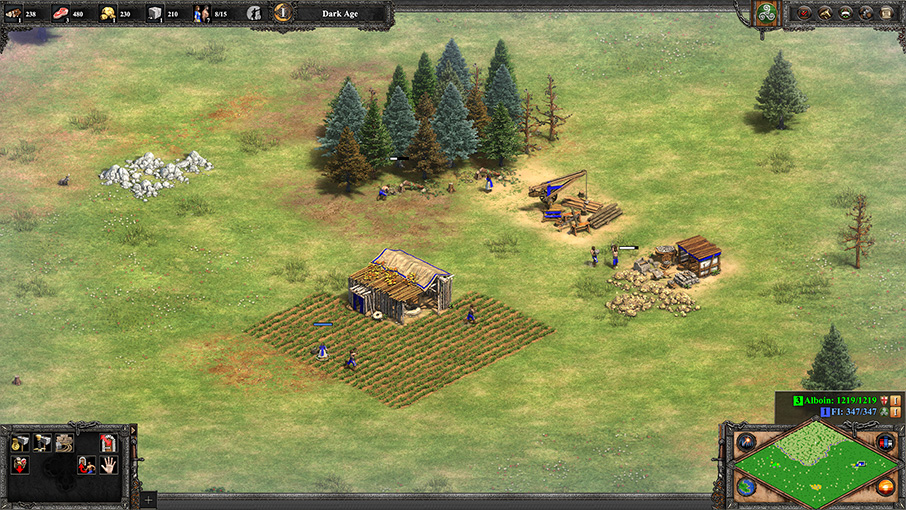



 1997
1997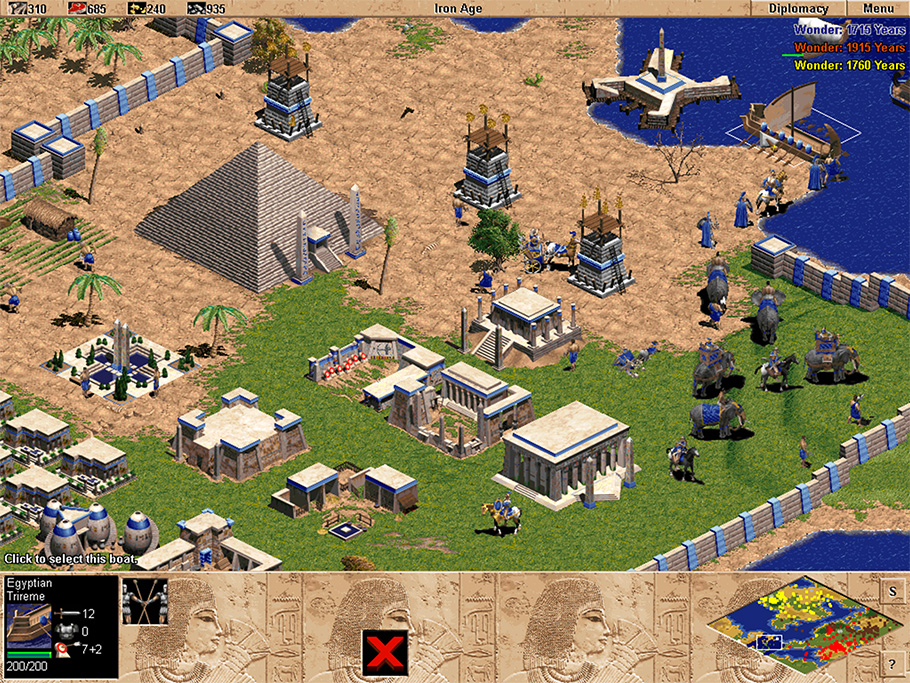
 1998
1998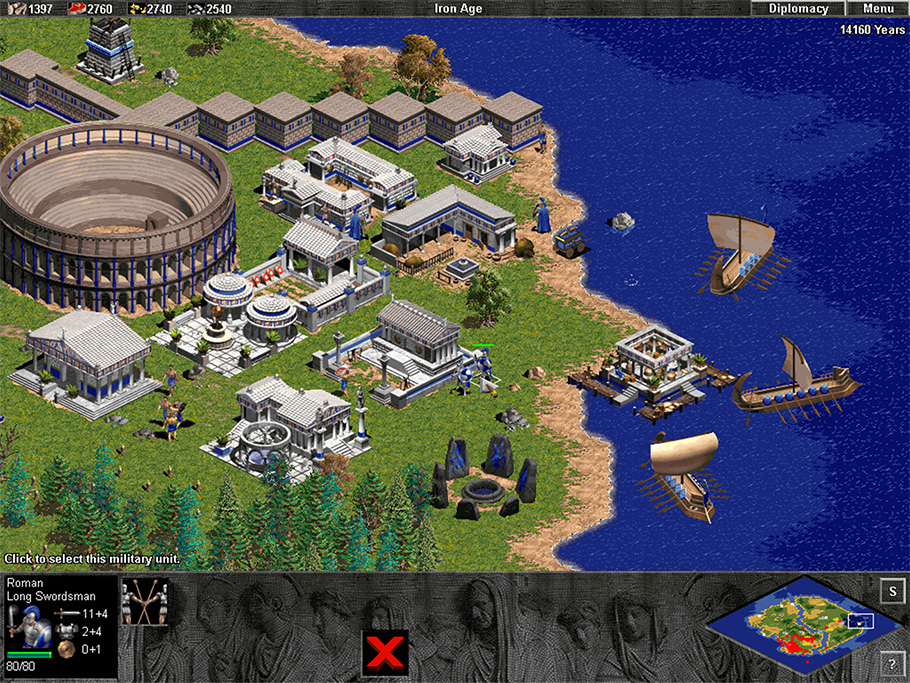
 1999
1999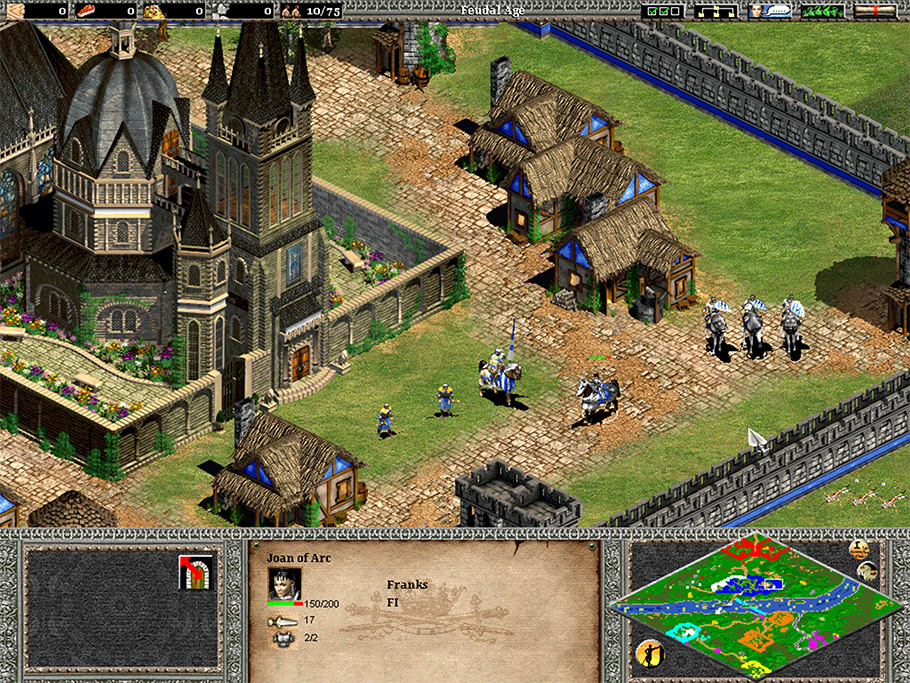
 2000
2000 2013
2013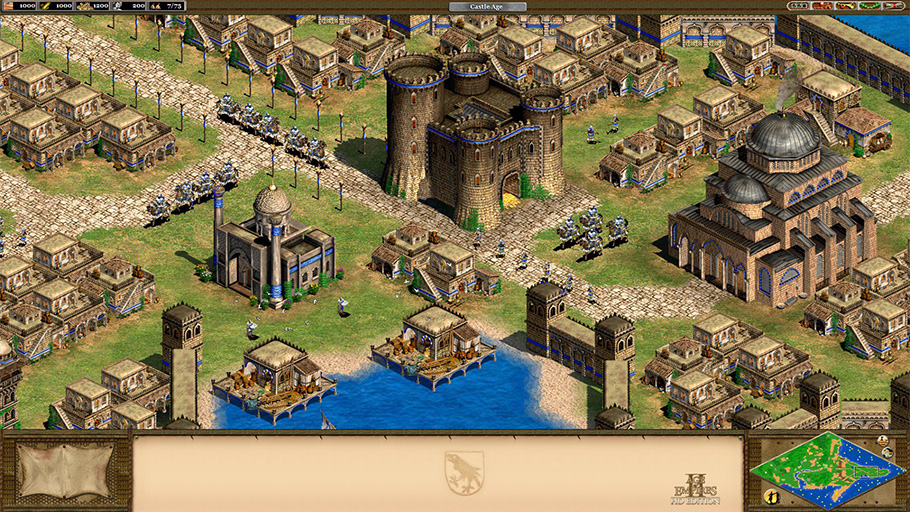
 2013
2013 2014
2014 2016
2016 2019
2019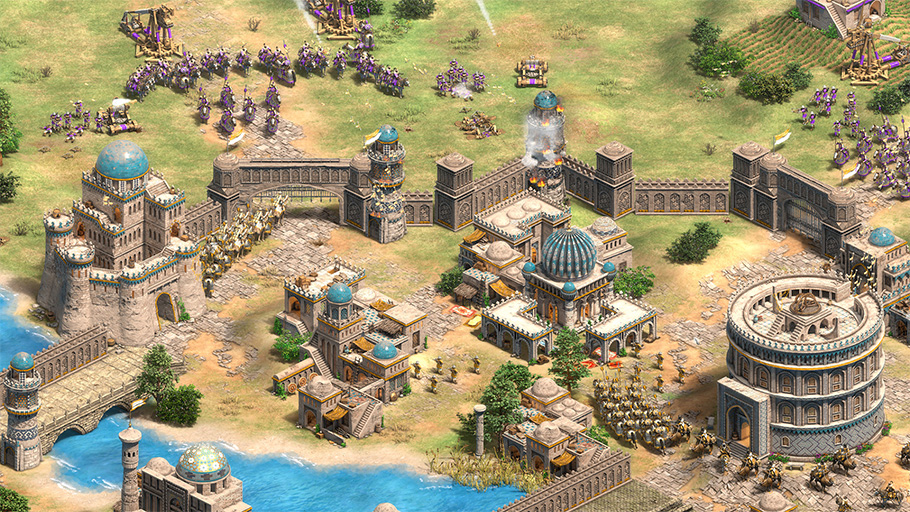
 2021
2021 2021
2021 2022
2022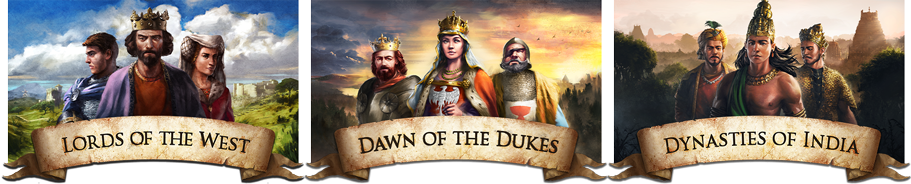
 2023
2023 2023
2023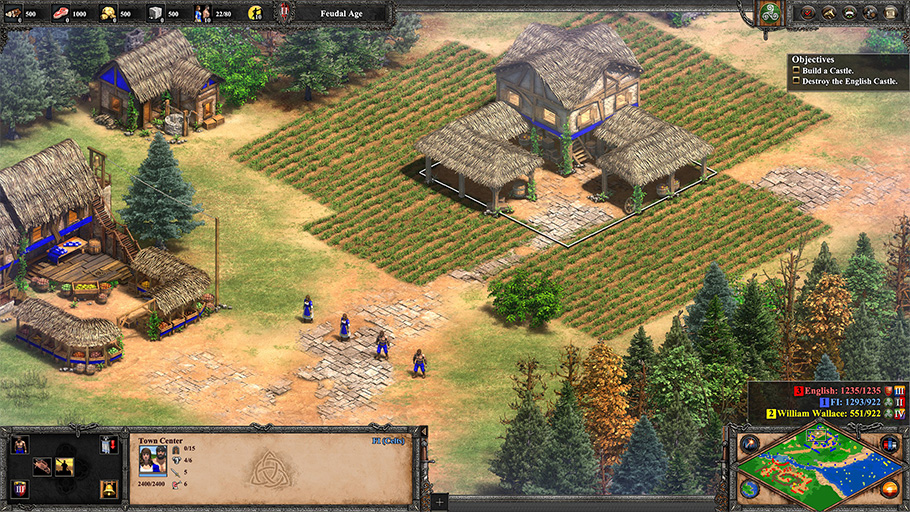
 2024
2024 2024
2024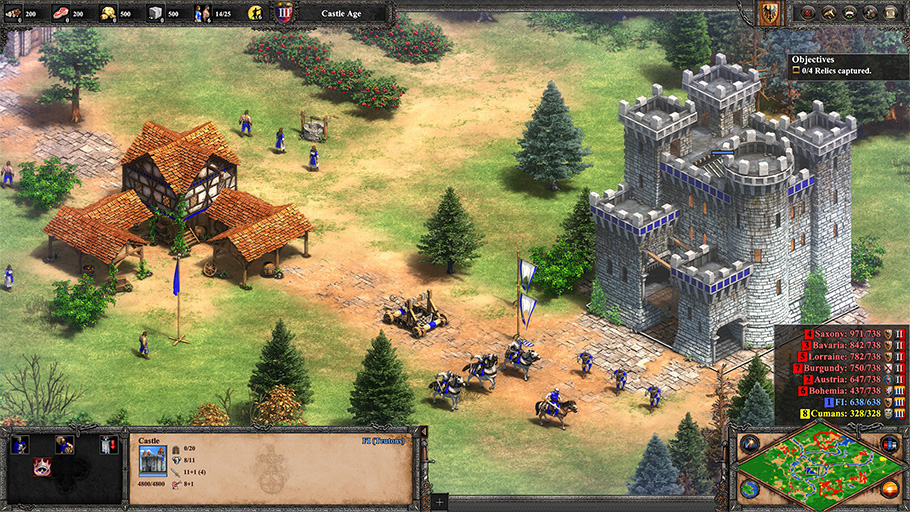
 2025
2025 2025
2025 2026
2026